
Digital marketing is evolving faster than ever. Algorithms change, consumer behavior shifts, and new technologies redefine how brands connect with audiences. If you’re a digital marketer in 2026, staying ahead isn’t optional—it’s essential. In this blog, we’ll explore the key trends shaping the future of digital marketing and how you can leverage them to drive measurable results. 1️⃣ AI-Driven Marketing Is No Longer Optional Artificial Intelligence has moved from being a “nice-to-have” to a core marketing tool. How AI Is Transforming Marketing: Action Tip:Use AI tools to analyze customer data and create hyper-personalized campaigns. The more personalized your messaging, the higher your conversion rate. 2️⃣ Short-Form Video Dominates Attention Attention spans are shrinking—and short-form video is winning. Platforms like: are generating higher engagement than traditional content formats. Why it works: Action Tip:Repurpose long-form content into bite-sized videos. One blog post can become 5–10 short videos. 3️⃣ First-Party Data Is the New Gold With increasing privacy regulations and the decline of third-party cookies, first-party data is more valuable than ever. Smart Marketers Are: Action Tip:Invest in strategies that encourage users to willingly share their information. Trust-based marketing wins long term. 4️⃣ SEO Is Evolving Beyond Keywords SEO in 2026 is about: Google now prioritizes helpful, experience-driven content. Action Tip:Create content that solves real problems. Focus on E-E-A-T (Experience, Expertise, Authority, Trustworthiness). 5️⃣ Community-Led Marketing Is Rising Consumers trust communities more than ads. Brands that build: are seeing stronger retention and organic growth. Action Tip:Shift from selling to relationship-building. Create spaces where your audience feels heard and valued. 6️⃣ Performance Marketing + Brand Marketing Must Work Together The old debate is over. You need: The strongest strategies combine both. Action Tip:Track metrics beyond ROAS. Measure brand lift, engagement, and lifetime value (LTV). 📊 What This Means for You as a Digital Marketer To stay competitive in 2026, you must: ✔ Embrace AI tools✔ Focus on personalization✔ Build owned audiences✔ Invest in video content✔ Strengthen brand positioning✔ Prioritize data-driven decisions The digital landscape will keep evolving—but marketers who adapt quickly will thrive.
How Meta Ads Impact Digital Marketing
In today’s fast-moving digital world, advertising has shifted from traditional media to highly targeted, data-driven platforms. Among these, Meta Ads—advertisements run across Facebook, Instagram, Messenger, and the Meta Audience Network—have become a cornerstone of modern digital marketing strategies. With billions of active users and powerful targeting tools, Meta Ads significantly influence how brands reach, engage, and convert their audiences. This blog explores how Meta Ads impact digital marketing and why they remain essential for businesses of all sizes. What Are Meta Ads? Meta Ads are paid advertisements displayed across Meta’s ecosystem, including: These ads appear in various formats such as image ads, video ads, carousel ads, stories, reels, and lead forms, allowing marketers to tailor their messaging to different audience behaviors and preferences. Key Impacts of Meta Ads on Digital Marketing 1. Advanced Audience Targeting One of the biggest advantages of Meta Ads is precision targeting. Marketers can target users based on: This level of targeting ensures ads reach the right people, reducing wasted ad spend and increasing campaign effectiveness. 2. Cost-Effective Advertising Compared to traditional advertising channels, Meta Ads are highly cost-effective. Businesses can: Even small businesses with limited budgets can compete with larger brands by optimizing ad creatives and targeting the right audience. 3. Enhanced Brand Awareness Meta platforms are highly visual and engagement-driven, making them ideal for brand building. Through consistent ad exposure, businesses can: Formats like Stories, Reels, and video ads are especially effective for storytelling and emotional connection. 4. Data-Driven Decision Making Meta Ads provide detailed analytics and performance insights, including: These insights help marketers make informed decisions, optimize campaigns in real time, and improve overall ROI. 5. Boost in Website Traffic and Conversions With clear call-to-action buttons like Shop Now, Learn More, or Sign Up, Meta Ads are powerful tools for driving traffic and conversions. Businesses can use: This direct impact on the sales funnel makes Meta Ads a performance-driven marketing channel. 6. Retargeting and Customer Retention Meta Ads excel at retargeting, allowing brands to reconnect with users who: This helps businesses nurture leads, reduce cart abandonment, and increase customer lifetime value. 7. Creative Flexibility and A/B Testing Meta Ads support continuous experimentation. Marketers can: This flexibility encourages innovation and helps brands discover what resonates most with their audience. Challenges of Meta Ads in Digital Marketing While Meta Ads offer many benefits, they also come with challenges: Successful marketers overcome these challenges through strong creatives, authentic messaging, and ongoing optimization. The Future of Meta Ads As digital marketing evolves, Meta Ads are adapting with: Businesses that stay updated with these trends will continue to gain a competitive edge. Conclusion Meta Ads have a powerful impact on digital marketing by enabling precise targeting, measurable results, and scalable growth. Whether the goal is brand awareness, lead generation, or sales, Meta Ads provide the tools needed to reach the right audience at the right time. For businesses looking to thrive in the digital landscape, leveraging Meta Ads effectively is no longer optional—it’s essential.
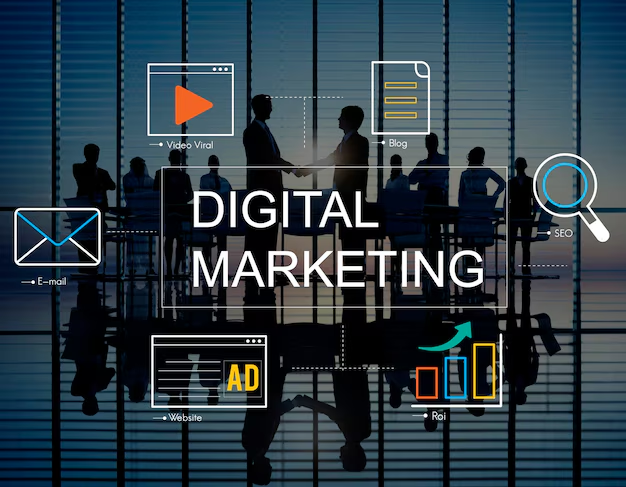
Digital Marketing Trends to Watch in 2026
Digital marketing is evolving faster than ever, and 2026 is shaping up to be a major year for innovations that will redefine how brands connect with audiences. Whether you’re a seasoned marketer, a business owner, or someone searching for the best digital marketing strategist in Kasargod, you need to stay on top of emerging strategies to remain competitive. In this blog, we’ll explore the key trends that will shape digital marketing in 2026 and why they matter for your business. 🔍 1. Hyper-Personalization Powered by AI With advancements in artificial intelligence and machine learning: 👉 Brands will build trust and loyalty by delivering highly relevant content and experiences. 📱 2. The Rise of Immersive Experiences Immersive tech such as AR (Augmented Reality) and VR (Virtual Reality) will change how consumers interact with brands: These experiences will not only boost engagement but also increase conversion rates. 🎥 3. Short-Form and Interactive Video Content Video continues to dominate, especially: If you want results, invest in video formats that encourage participation and storytelling. 🧠 4. Ethical Data Use & Privacy-First Marketing With increased concerns over data privacy: Customers are more likely to engage with brands that prioritize privacy and trust. 📈 5. Performance Marketing with ROI Focus Marketing budgets in 2026 will be more analytics-driven than ever: This is great news for businesses that want measurable growth and accountability. 🌐 6. Voice Search & Conversational SEO Voice-enabled devices and smart speakers will expand search behavior: This trend is especially relevant if you’re seeking the best digital marketing strategist in Kerala to boost your local search presence. 📣 7. Community-Driven Marketing Communities build loyalty and advocacy: More brands will cultivate close-knit audience groups that act as long-term evangelists. 🚀 8. Growth of Freelance Digital Marketing Experts Businesses of all sizes will increasingly work with independent specialists: If you’re searching for the best freelance digital marketer in Kerala, this trend ensures access to top talent without long-term commitments. 💡 Conclusion: The Future Is Adaptive and Audience-First As technology evolves, digital marketing in 2026 will be defined by intelligence, personalization, and community. Brands that harness data ethically, invest in immersive experiences, and build authentic connections with their audiences will thrive.
SEO Impacts Digital Marketing
In the digital age, marketing success depends on how easily your audience can find you online. With millions of websites competing for attention, Search Engine Optimization (SEO) has become a critical factor in digital marketing success. SEO is not just about ranking higher on search engines—it directly influences traffic quality, brand credibility, and long-term business growth. 1. SEO Increases Online Visibility SEO ensures your business appears in search results when potential customers are actively looking for your products or services. Higher rankings mean: Visibility is the first step in every successful digital marketing strategy. 2. SEO Drives Targeted & Organic Traffic Unlike paid advertising, SEO brings in users who already have intent. By targeting the right keywords and search queries, SEO delivers: This makes SEO one of the most cost-effective digital marketing tools. 3. SEO Strengthens Content Marketing Content and SEO work together. Well-optimized blogs, landing pages, and website content: SEO helps turn content into a long-term marketing asset. 4. SEO Improves User Experience Modern SEO focuses heavily on user experience. Factors like: All contribute to better rankings and happier users, which directly impacts conversions. 5. SEO Builds Brand Trust & Credibility Users trust search engines. When your website ranks on the first page, it naturally appears more credible and authoritative. Strong SEO helps: Trust plays a major role in digital marketing success. 6. SEO Supports Other Digital Marketing Channels SEO enhances the performance of: Optimized content and landing pages improve overall campaign effectiveness across channels. 7. SEO Delivers Long-Term Results Unlike paid ads that stop delivering once the budget ends, SEO continues to generate traffic and leads over time. With regular optimization and content updates, SEO provides sustainable growth and measurable ROI. Conclusion SEO is a foundational element of digital marketing. It impacts visibility, traffic quality, user experience, and brand trust—making it essential for businesses looking to grow online. A strong SEO strategy doesn’t just support digital marketing; it powers it.